

Challenges in myasthenia gravis
Unmet needs in myasthenia gravis
“In [refractory] patients, it can be very hard to treat their myasthenia gravis, and in fact they can… live with persistent symptomatology that may not entirely improve.” Amanda Hernandez (University of Connecticut School of Medicine, Farmington, USA) discusses gaps in myasthenia gravis care, including fatigable weakness and treatment selection in seronegative patients.
Myasthenia gravis (MG) has seen meaningful therapeutic advances, but significant unmet needs remain, particularly for people with difficult-to-treat or refractory disease and those with seronegative MG, where diagnosis and treatment decisions are more complex.1-3
Meet the expert
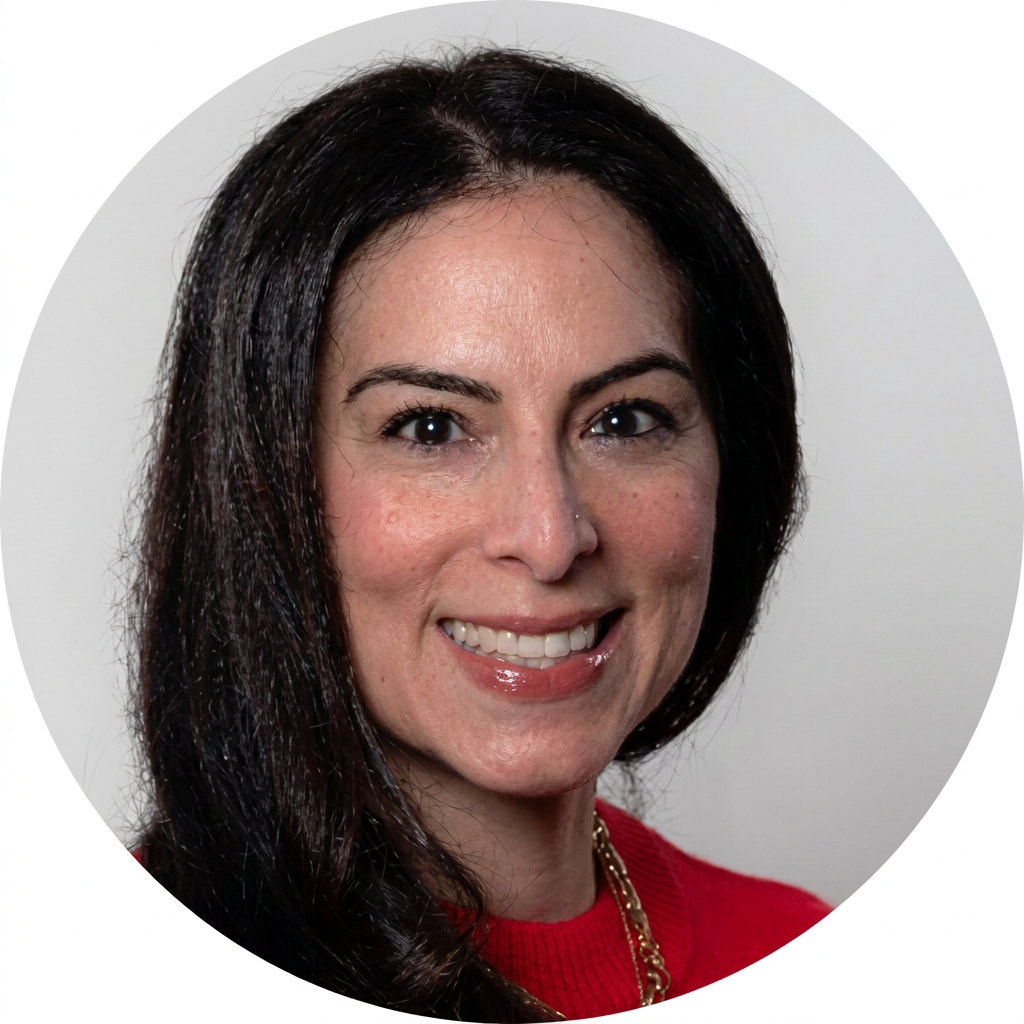
Amanda Hernandez is Assistant Professor and Chief of Neuromuscular Medicine at the University of Connecticut School of Medicine, Farmington, USA.
Before joining the faculty, she was at Yale University (New Haven, Connecticut, USA) where she completed her MD and PhD in neuroimmunology, residency in neurology, and fellowship in neuromuscular medicine. Her research has been highly regarded, and she graduated with distinction.
Outside of her clinical practice, she is actively involved in leading innovative clinical trials, educating medical students and residents, building a curriculum focused on health systems, and facilitating translational research, with a focus on neuroinflammatory conditions, including MG.
Disclosures: Consulting and advising roles for EMD Serono,* Genentech, UCB, Alexion, argenx, Johnson & Johnson, and Amgen.
*EMD Serono is the healthcare business of Merck KGaA, Darmstadt, Germany, in the US and Canada.
References
- Evoli, 2024. 275th ENMC international workshop: Seronegative myasthenia gravis: An update paradigm for diagnosis and management, 9–11 February 2024, Hoofddorp, the Netherlands. https://doi.org/10.1016/j.nmd.2024.104468
- Schneider-Gold and Gilhus, 2021. Advances and challenges in the treatment of myasthenia gravis. https://doi.org/10.1177/17562864211065406
- Fichtner, 2020. Autoimmune pathology in myasthenia gravis disease subtypes is governed by divergent mechanism of immunopathology. https://doi.org/10.3389/fimmu.2020.00776
US-NONNI-02445 | GL-NONNI-02576 | June 2026

Developed by EPG Health for Medthority Connect. This content has been developed in collaboration with Merck KGaA, Darmstadt, Germany. EMD Serono is the healthcare business of Merck KGaA, Darmstadt, Germany, in the US and Canada. The materials provided on this page are intended for discussion purposes and must not be considered medical advice from a healthcare professional. EPG Health received funding from Merck KGaA, Darmstadt, Germany, in order to help provide its healthcare professional members with access to the highest quality medical and scientific information, education, and associated relevant content. Any data on non-Merck KGaA, Darmstadt, Germany, products are based on publicly available information at the time of content update.
© 2026 Merck KGaA, Darmstadt, Germany, and/or its affiliates. All rights reserved.